
Dabur Wellness
Stay Connected for the Latest Updates, Campaigns, and Inspiring Initiatives from Dabur International.

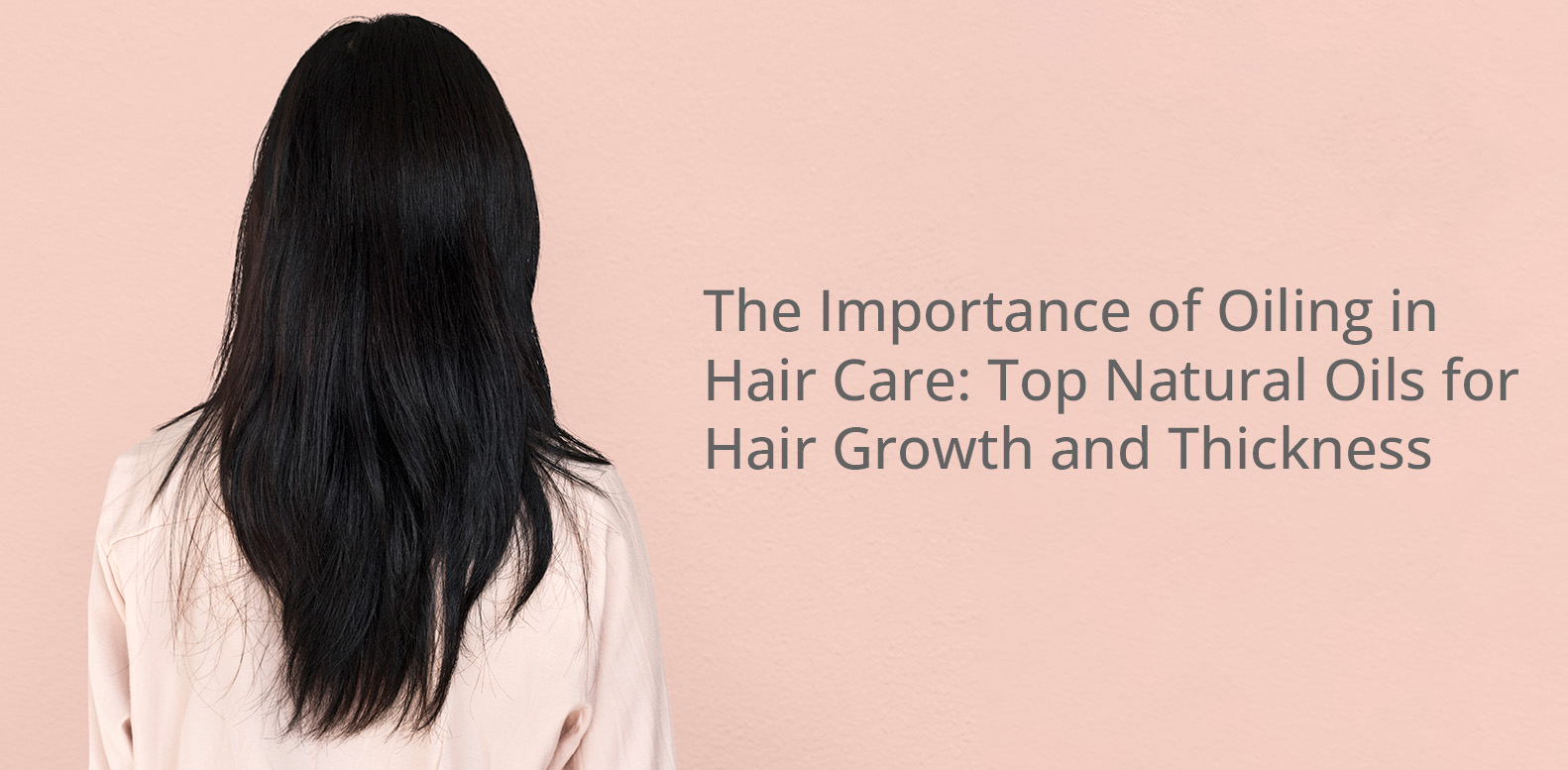
Top Natural Hair Oils for Hair Growth and Thickness: The Importance of Oiling in Hair Care
Hair oiling has been a trusted hair care ritual for generations, especially in regions with hot, dry, or humid climates. Using the right natural hair oil for hair growth helps nourish the scalp, strengthen hair roots, and improve hair thickness over time. What was once passed down as traditional wisdom is now supported by modern […]
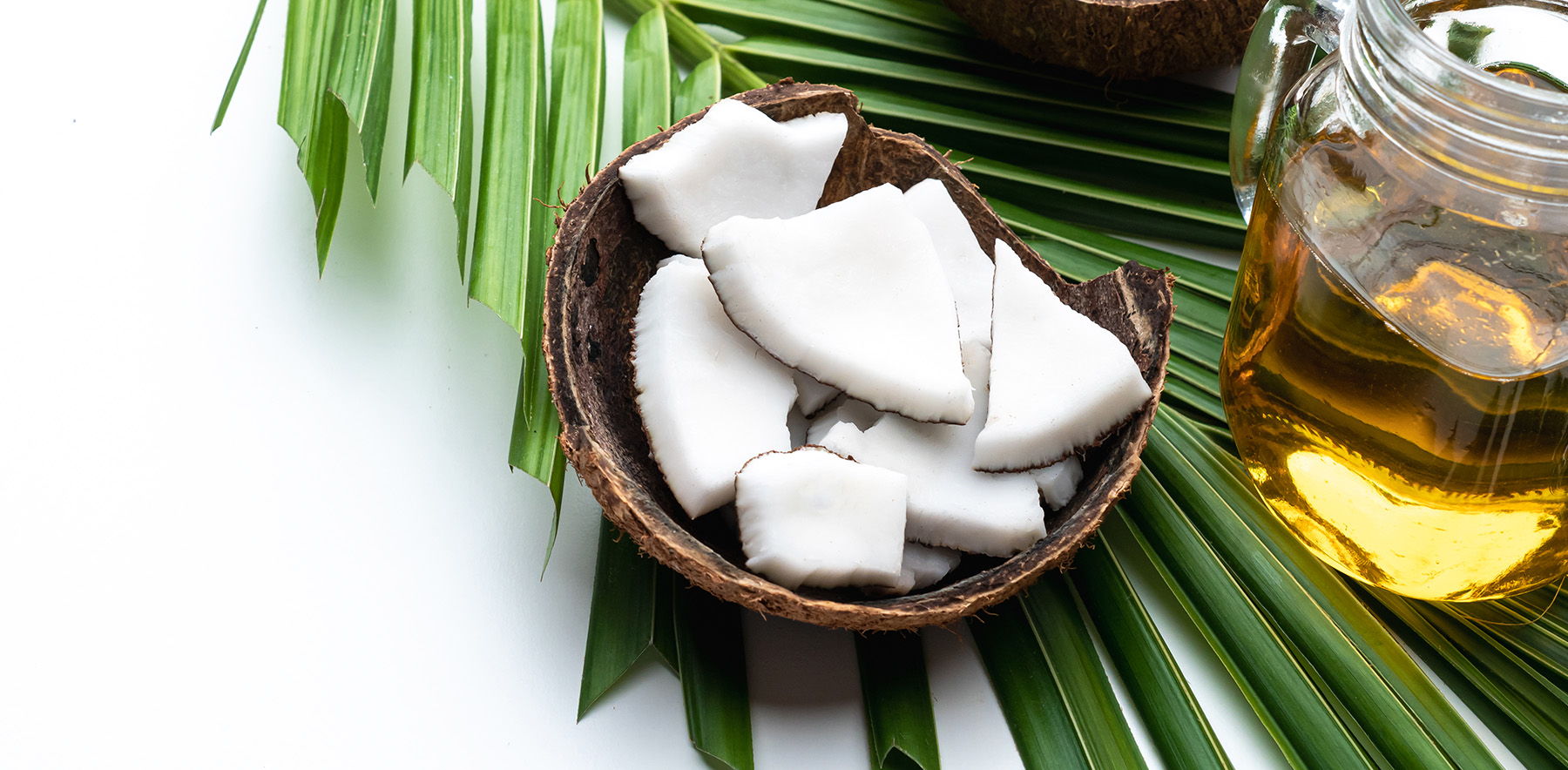
Is Coconut Oil Good for Hair? Benefits, Uses & Real Hair Growth Truth
Is Coconut Oil Good for Hair? Here’s the Truth Coconut oil is good for hair because it penetrates deep into the hair shaft, reduces protein loss, strengthens hair strands, and improves scalp health. When used correctly, it can help reduce breakage and support healthier hair growth. The benefits of coconut oil for hair have been […]
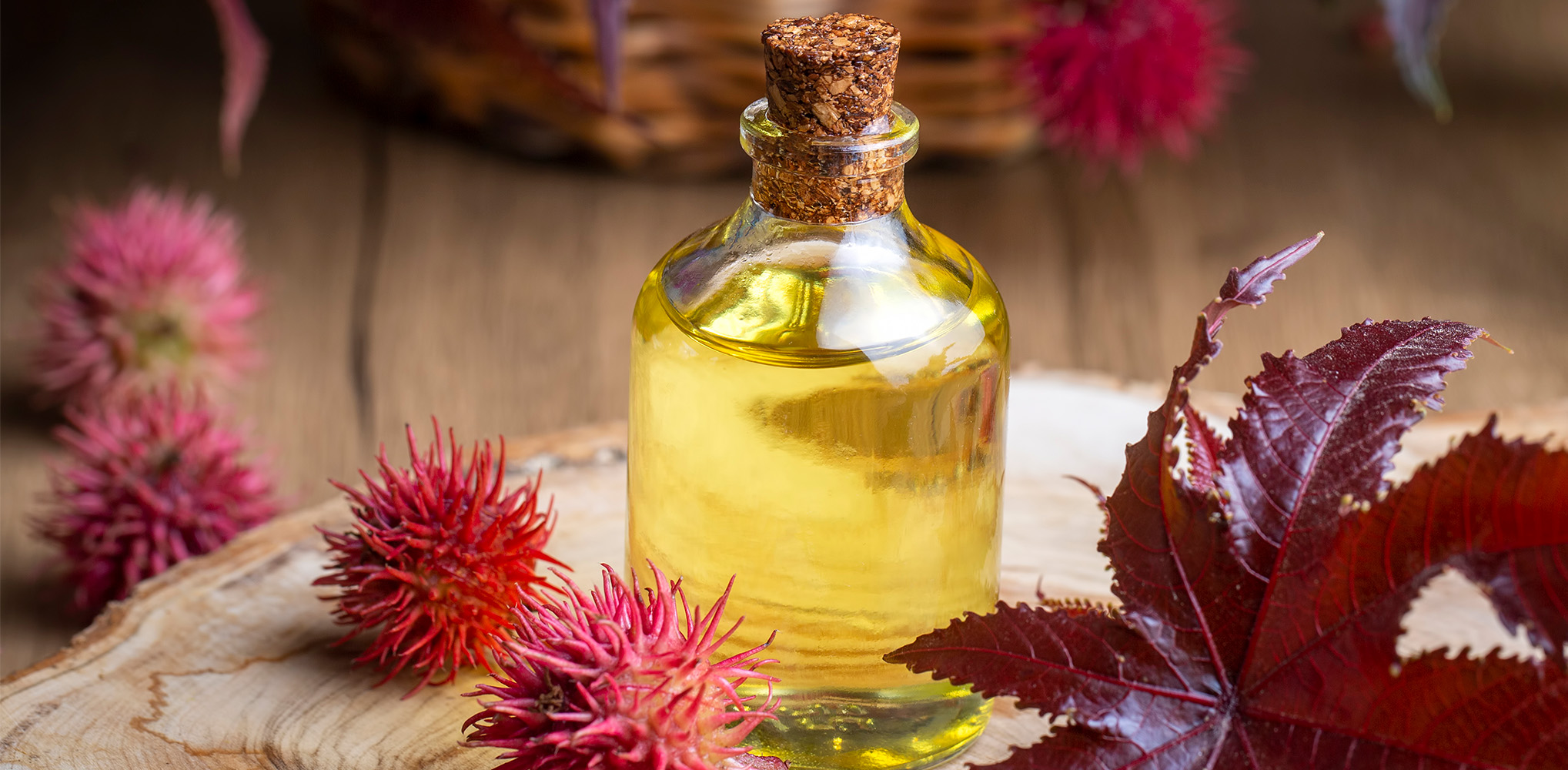
Castor Oil for Hair Growth: Benefits, Uses & How It Helps Thicker Hair
Castor oil for hair growth has long been valued as a natural solution for improving hair thickness, strength, and scalp health. Extracted from castor seeds, this nutrient-rich oil contains ricinoleic acid and omega fatty acids that help nourish hair follicles and support healthier hair growth over time. When used consistently, castor oil for hair helps […]
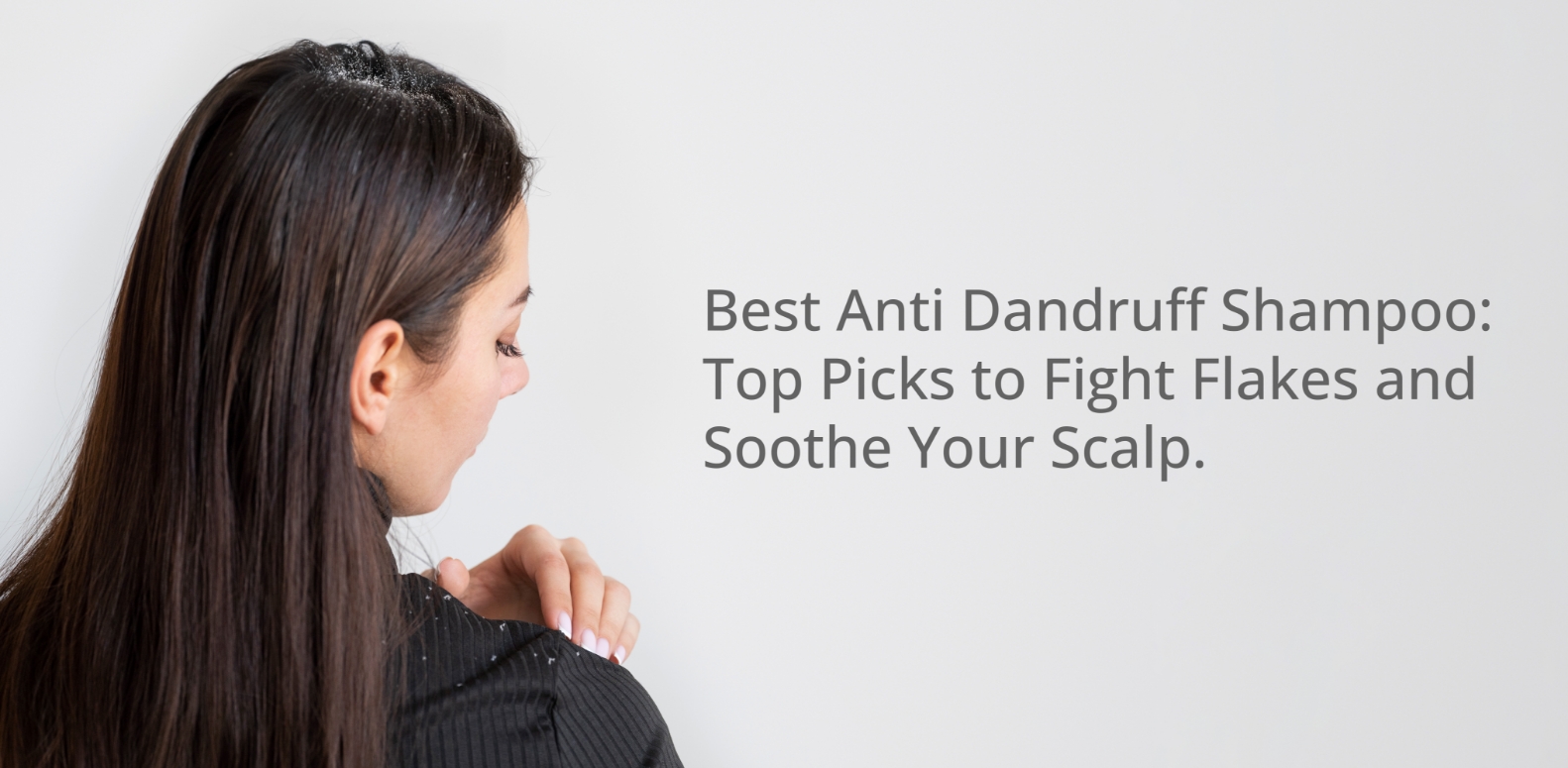
Best Anti Dandruff Shampoo in UAE: Top Picks for Flake-Free, Healthy Scalp
Dandruff, white flakes, and an itchy scalp are common concerns in the UAE due to dry weather, high humidity, hard water, pollution, and frequent styling. These factors disrupt scalp balance, leading to persistent flakes and irritation. If you’re searching for the best anti dandruff shampoo in UAE, choosing the right product is essential to control […]

Best Home Remedies for Bronchitis
Difficulty in breathing is termed as Shwas Roga in Ayurveda. For description, Ayurveda classifies the specific difficulties in breathing into 5 different types.
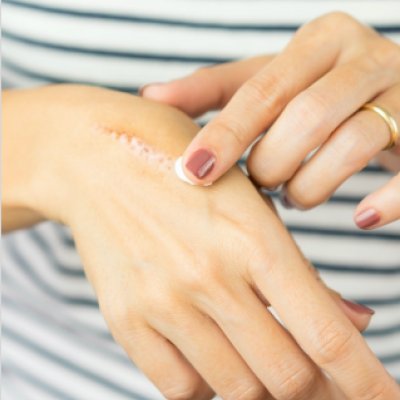
Home Remedy For Skin Burn
Damage to the skin or deeper tissues caused by sun, hot liquids, fire, electricity, or chemicals. The degree of severity of most burns is based on the size and depth of the burn.
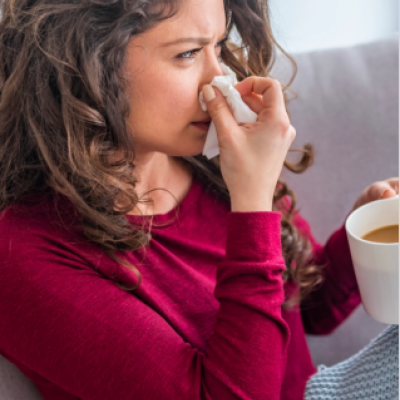
Natural/Ayurvedic Home Remedies for Common Cold
Ayurveda terms the common cold as Prathishyaya. Vitiation of Vata and Kapha individually or together, is generally involved in the ailment.

Home Remedies for Abdominal Pain
This is known as Shoola in Ayurveda. Eight types of shoola have been described, which include Vataja, Pittaja, Kaphaja, Vata-Pittaja, Vata-Kaphaja, Tridoshaja and Amaja.

Ayurvedic Home Remedies for Constipation
Constipation is known as Vibandha in Ayurveda. Causes leading to constipation are irregular food habits and irregular bowel habits besides psychological reasons.

Home Remedies For Diarrhea
This condition is termed Atisara in Ayurveda. Diarrhoea could be caused by any of the following: intake of foods of any particular quality in excess; foods incompatible with your Prakriti or with seasonal variations; intake of foods that are not well cooked; contaminated water or other beverages etc. Further, in Ayurveda, diarrhoea is also described to be induced by mental causes and by toxins.

Home Remedies For Fever
Fever or Jwar is one of the most comprehensively described entities in Ayurveda.

Home Remedies for Flatulence
Flatulence is known as Anaha in Ayurveda. The causative dosha is Vata and is characterized by stiffness in the lower abdomen, scanty defecation, and occasional breathing problems.
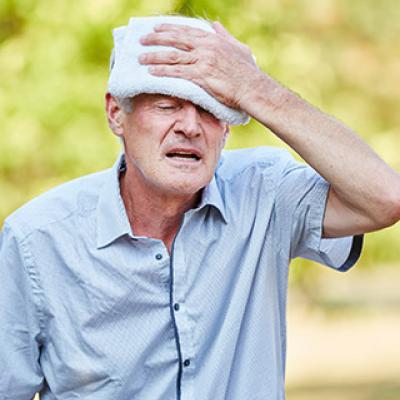
Home Remedies For Sun Stroke/Heat Stroke
Sunstroke is known as Surya Santap in Ayurveda. Surya Santap (heat exhaustion) leads to trishna (excessive thirst).

Home Remedies for Indigestion
This is known as Ajeerna in Ayurveda. It is a result of fasting or consumption of food before digestion of the earlier intake of food.
Natural/Ayurvedic Home Remedies for Joint Pains
Joint pains have broadly been classified under Sandhivata and Ama Vata by Ayurveda. While Ama Vata correlates to rheumatoid arthritis in terms of pathology, the other type is close to arthritis from aging.

Home Remedies for Loss Of Appetite
Loss of appetite and indigestion are closely linked entities of digestive disturbance in Ayurveda. Agnimandhya is the term used to denote loss of appetite while Ajeerna denotes indigestion.

Home Remedies for Muscle Pain
Almost all pains including muscular pain in the body are described as Vataja in origin in Ayurveda.

Home Remedies For Nausea
Nausea is stomach discomfort and the sensation of wanting to vomit. Nausea can be a precursor to vomiting the contents of the stomach.

Home Remedies For Sore Throat
Sore throat has been mentioned as a prodromal symptom of the common cold in Ayurveda. It has been described as pinprick-like pain in the throat.
Home Remedies For Wounds
Wounds have been described in Ayurveda as Vrana. Almost all kinds of wounds have been described, including traumatic ones.
Home Remedies For Toothache
Toothache can have causes that aren’t due to underlying disease. Examples include biting into something hard, flossing, and getting something stuck in between the teeth or braces.
Home Remedies For Acne
Acne being associated often with adolescence, is termed as Yuvanapidika in Ayurveda. Vitiation of Pitta and Kapha are generally involved in the outburst of pimples.
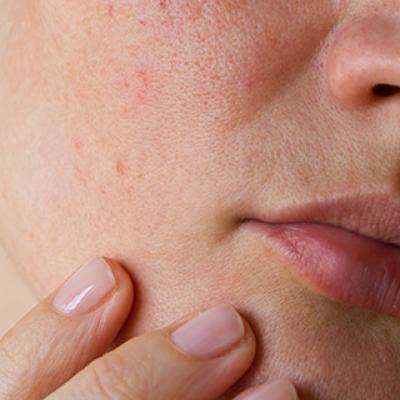
Home Remedies For Dry Skin
Indian Ayurveda describes Dry skin as a predominant trait of the Vata constitution. Even in normal people, Vata causes dryness of the skin when it is vitiated due to seasonal influences.
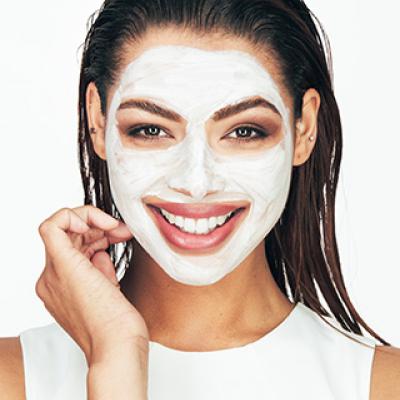
Best at Home Face Masks
Ayurveda recommends several herbs that can be used to make natural face packs. Take water in a wide-mouthed vessel to which the powders of all the herbs have been added.
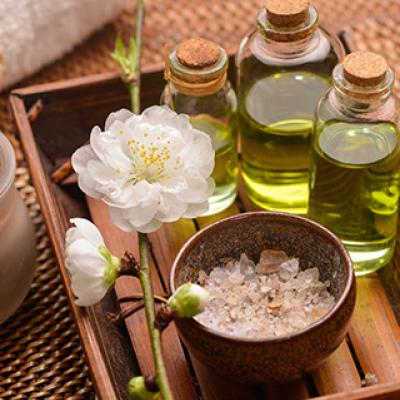
Massage Oil
The main purpose of massage oils is to lubricate the skin to reduce friction while performing a massage.
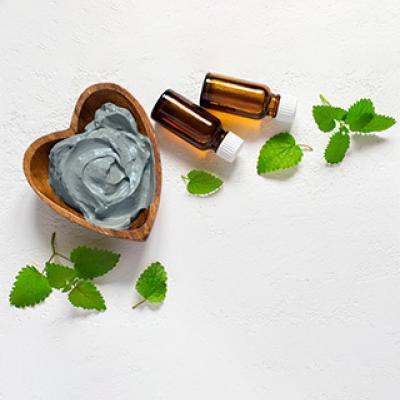
Body Pack
Ayurvedic body pack is an organic and natural skin care product that is made with the goodness of various herbal ingredients to help the skin glow or shine.
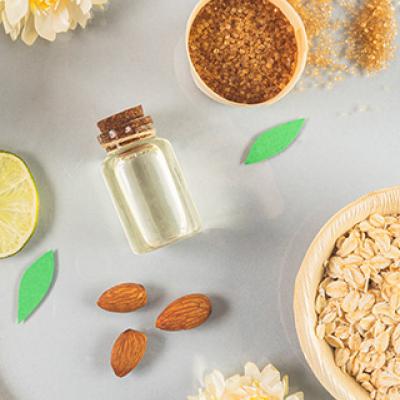
Herbal Rinses
The use of Herbal rinses is a part of the bathing ritual. A combination of selected herbs is added to hot water as recommended by Indian Ayurveda.
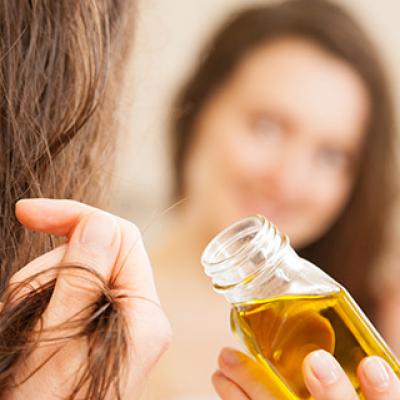
Nourishing Hair Oil
This nourishing hair oil, also known as Brahmi – Amla Hair oil, strengthens the hair roots, prevents hair loss, and maintains the suppleness of the hair as recommended by Ayurveda. The oil can be stored for as long as 3 months.
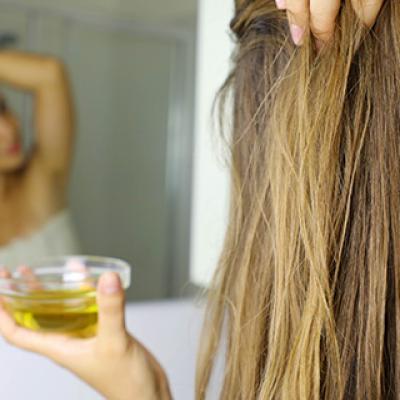
Restorative Hair Oil
A lightweight blend of herbal products and nourishing oils to protect, hydrate, and style your hair.
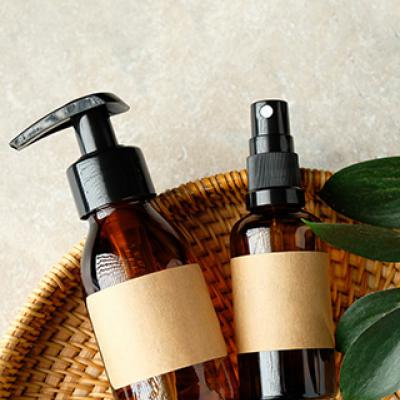
Herbal Shampoos
Herbs as cleansing agents have been used since ancient Indian Ayurveda for hair washes. These herbs have very little lathering quality.
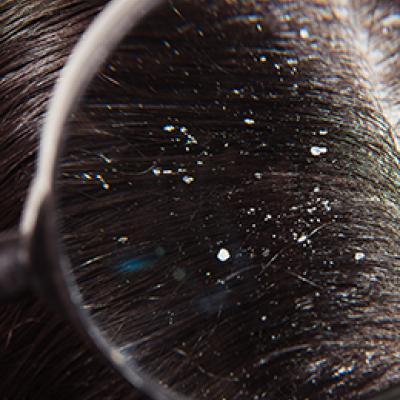
Home Remedies For Dandruff
Dandruff is a common scalp condition in which small pieces of dry skin flake off of the scalp. It is a skin condition that causes a dry, scaly scalp, and the skin falls off in white flakes.

STAY INFORMED
Sign up to stay updated with the most recent news and insights on Ayurveda and maintaining a healthy lifestyle.